
Inside Pepperfry’s vision for the future of furniture retail
By Himanshi Jain | July 16, 2026
In an exclusive conversation with Retail4Growth, Hussaine Kesury, Chief Business Officer, Pepperfry, shares insights into the brand’s expansion strategy and how design, technology and visual merchandising are shaping the future of furniture retail.
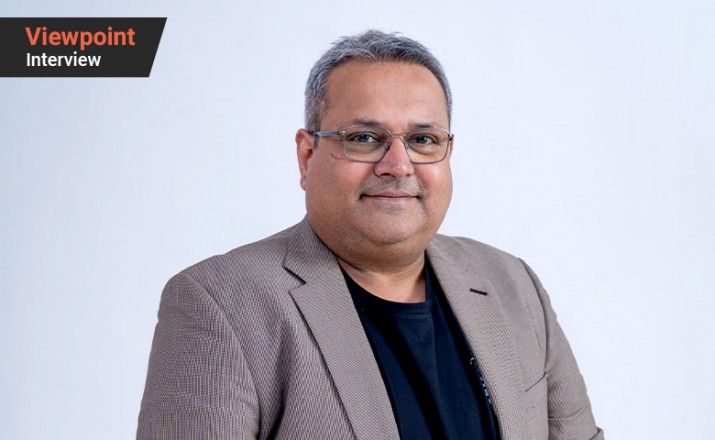
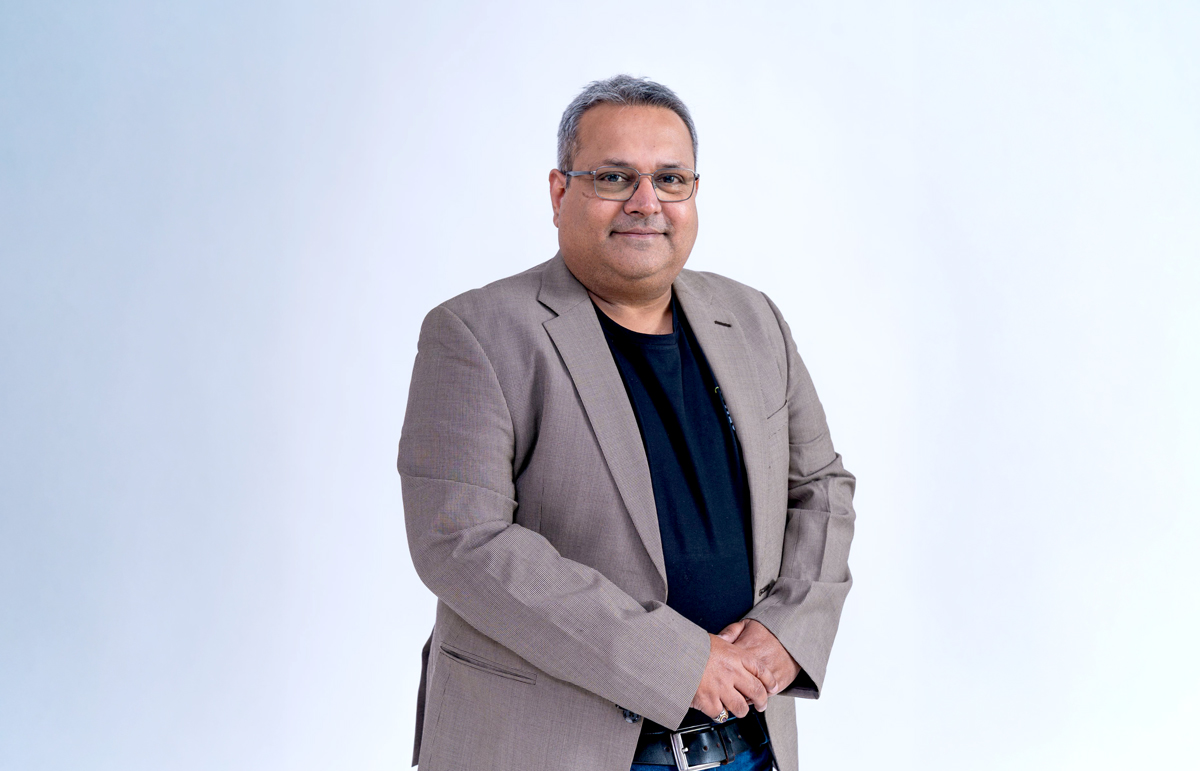
For a brand that began as an online furniture marketplace, Pepperfry's growing network of experience centres tells an interesting story. While digital continues to shape product discovery, the company believes that furniture buying still needs a physical touchpoint where customers can see, feel and experience products before making a decision.
As Pepperfry prepares to add 35 new stores over the coming months, Retail4Growth spoke with Hussaine Kesury, Chief Business Officer, Pepperfry, to understand what drives the company's expansion strategy, how it decides where to open stores, and the role that store design, technology and visual merchandising play in creating a better shopping experience.
Pepperfry is set to add 35 new stores in the coming months. What is driving this expansion, and what are the key factors you evaluate before entering a new market?
Pepperfry started as a digital-first business. Over time, we realised that while customers begin their furniture-buying journey online, they still want to touch and feel the products, seek guidance and experience them before making a decision. That's what led us to open our first experience centre in Mumbai.
Today, we have around 125 stores across nearly 70 cities. Every new store is planned carefully. We first study demand through our own data, including website traffic, transactions and customer behaviour. We then combine this with market demographics and the city's growth potential.
If we see a market where brand awareness and online traffic are already strong but conversions are lower, that's usually an indication that an experience centre can help customers complete their purchase journey.
Pepperfry follows both company-owned and franchise-led expansion. How do you decide which model works best for a particular market?
Our company-owned stores are largely in metro cities because they require higher investments and we already have our teams there. In Tier I and Tier II markets, we work with franchise partners who understand their local markets very well.
We provide the brand, products and operational know-how, while our partners bring local market knowledge and customer understanding. It's a combination that works well for us. However, from a customer's point of view, there is no difference. Whether a store is company-owned or franchise-operated, the design, layout, and overall experience remain exactly the same.
What are the key elements you focus on while designing a Pepperfry experience centre?
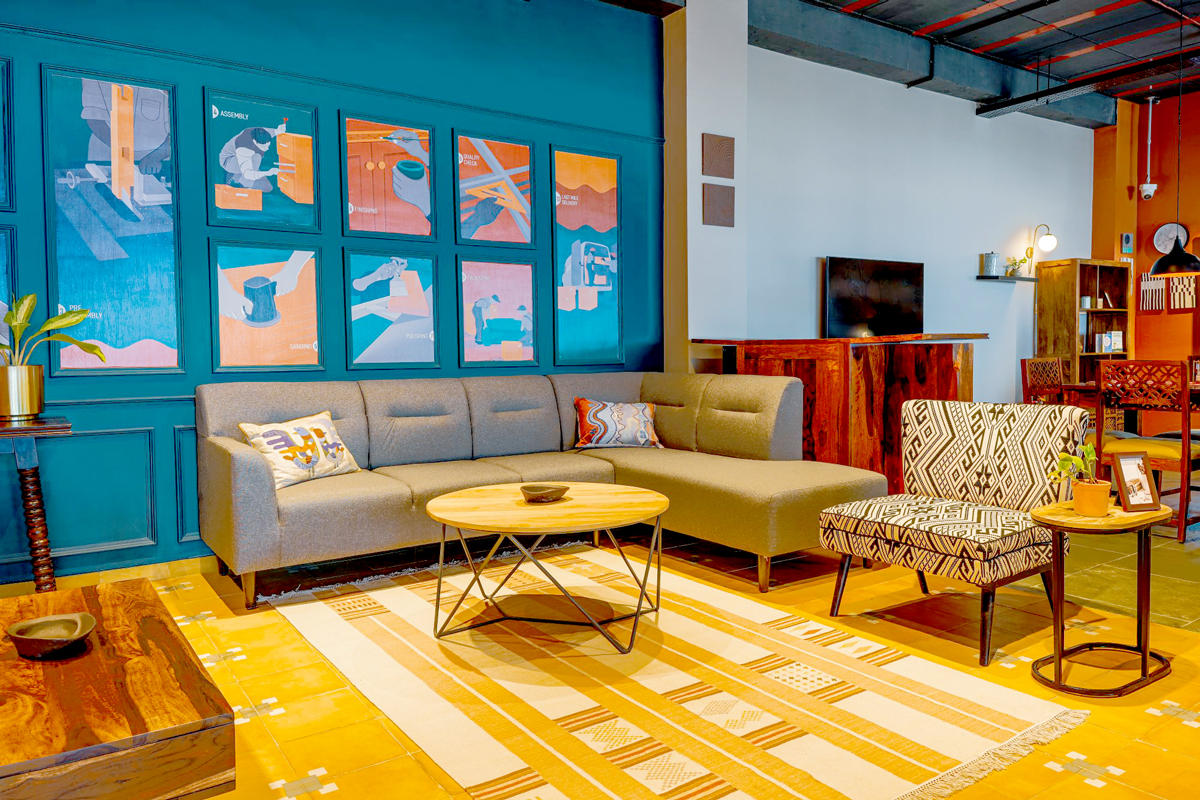
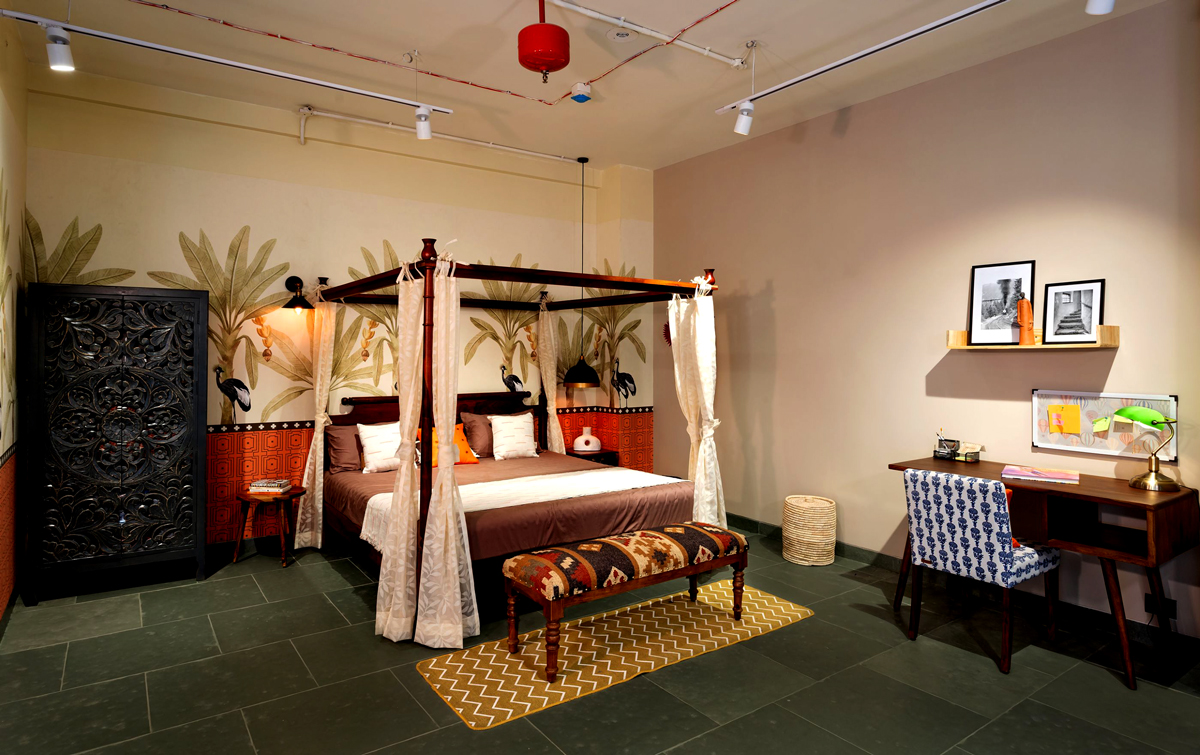
Our stores are designed to educate, inspire and make buying easier. Instead of displaying products individually, we create complete room settings. Customers see a fully designed living room or bedroom, which helps them visualise how the furniture will look in their own homes.
The layout is equally important. Categories such as living, dining and bedroom are clearly organised so customers can browse comfortably. We also ensure that customisation options like fabrics, finishes and colours are easily accessible because those play a major role in furniture buying.
Technology has become an important part of physical retail. How does Pepperfry use it inside its stores?
A typical store can display only a few hundred products, while our online catalogue has close to one lakh products. So technology helps us bridge that gap.
Every store is digitally connected to our complete online catalogue through large television screens, where customers can browse products beyond what's physically displayed. Every product also has a QR code that gives detailed information such as specifications, dimensions and other product details.
We also use digital screens to communicate promotions, campaigns and new launches. The idea is to combine the convenience of digital with the confidence that comes from experiencing products in person.
How do you see store design and technology evolving in the coming years?
The future of retail will be about combining physical stores with technology to make decision-making easier for customers. We are already working on AI, AR and VR solutions that will help customers visualise products inside their own homes. That is where retail is heading.
In the future, customers will be able to experience our complete catalogue virtually, understand how products fit into their spaces and make much more informed decisions. Technology will help remove the guesswork from furniture shopping.
At the same time, stores, for us, will continue to play an important role. Customers today do not think in terms of online or offline. They simply want a seamless experience across every touchpoint. That is what we are building at Pepperfry.







Comments