
‘One of the biggest inefficiencies is not using a tool to measure in-store execution’
By Himanshi Jain | December 10, 2025
In an insightful conversation with Retail4Growth, Mahimm Gupta, Founder and CEO of PPMS, shares how technology, AI, and a people-first approach are revolutionising in-store execution and driving retail excellence across India.
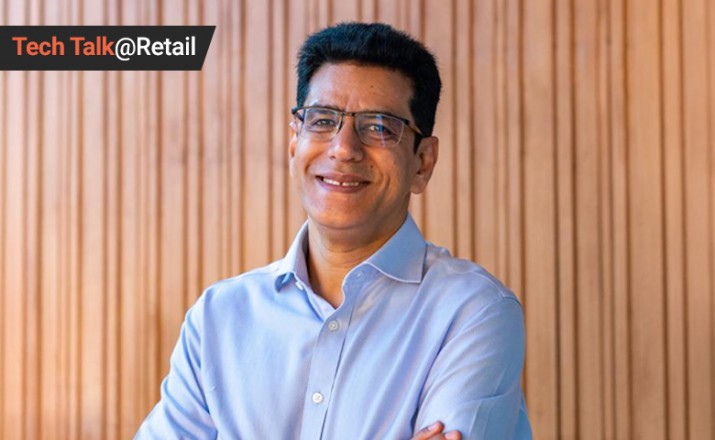
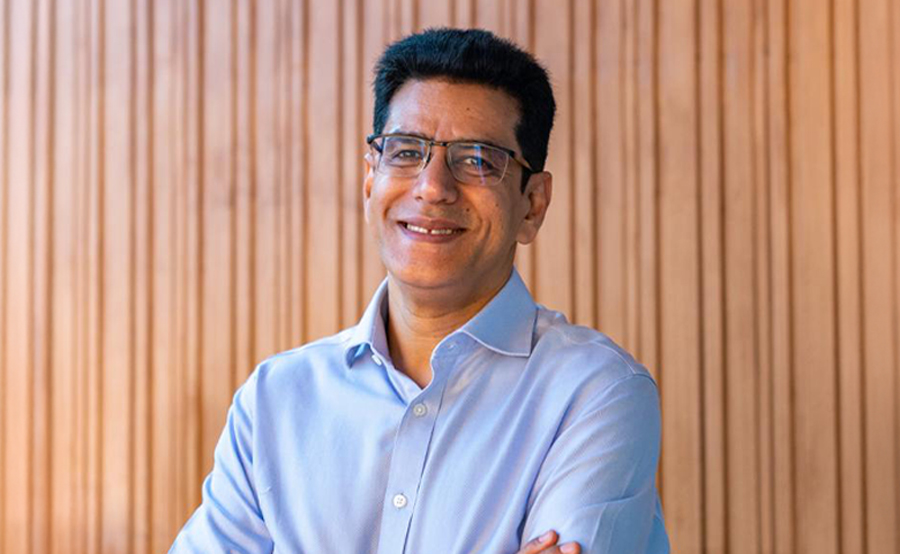
Retail in India has come a long way over the past two decades, evolving from unstructured merchandising to an organised industry. But at its core, the retail industry still hinges on what happens inside the store – how products are placed, how quickly gaps are fixed, and how consistently brands show up for consumers. Leading the evolution of retail into a tech driven eco-system are players like PPMS, India’s leading, fully compliant provider of managed in-store merchandising and field execution services. With over 25 years of experience, a workforce of 15,000+ employees, and operations spanning 800+ towns across 160,000 stores, PPMS has been instrumental in helping brands like ITC, PepsiCo, and USL achieve measurable retail excellence.
Mahimm Gupta, Founder and CEO of PPMS Field Marketing, part of The PPMS Group, shares more insights on how India’s retail landscape has evolved, from unstructured merchandising to tech-driven, omnichannel execution, highlighting the power of data, AI, and a people-first approach in driving retail excellence
As retail becomes more omnichannel and digitally influenced, Mahimm sheds light on how brands navigate the complexities of store-level operations, the adoption of technology, and the rise of omnichannel retailing.
Technology as a retail enabler
A major challenge for brands has always been translating in-store activity into actionable insights. Traditional methods were slow, error-prone, and lacked granularity. Mahimm emphasises how, “Data captured on paper had to be verified at the store itself. Unless you showed proof with a chopper at the store or a sign from the retailer, nobody believed it.”
The evolution of technology, from manual reporting to mobile apps and AI-powered analytics, has been transformative. “Your ability to comprehend the data allows you to start making quicker decisions.” Tools such as mobile reporting apps, image recognition systems, and analytics dashboards allow brands to monitor execution, evaluate performance, and respond quickly to gaps.
The human element in retail execution
Even as retail operations embrace technology, Mahimm stresses that people remain at the core of in-store execution. As he shares, “Feet on the street is what our biggest strength is. And we actually empower our people with tech.”
In his view, technology is not meant to replace the workforce but to support it, whether it is through mobile-enabled reporting, visibility tools, or platforms that make field activity verifiable and accountable. This people-first approach is consistent with how he describes the company, “We are a people-first, technology-enabled company. And if people want to hear it differently, we are a technology-enabled people-first company.”
Tech adoption barriers for smaller brands
Mahimm shares a grounded view on why smaller brands struggle with retail-tech adoption. He explains, “One of the biggest inefficiencies in the industry is not using an application tool that measures in-store execution.”
He shares that distributors often resist visibility, and the cost of running a dedicated task force can be a barrier. Even brands with their own teams often rely on DMS systems built for orders, not execution, leaving gaps in analytics and insights.
According to him, everyone has aspiration, but the cost and operational constraints slow adoption among smaller players.
AI is transforming retail execution
According to Mahimm Gupta, AI is fundamentally reshaping how retail data is consumed and acted upon. The biggest unlock is speed. “AI is making it easier to comprehend data,” he says.
The first shift is seamless integration of field intelligence. Data flowing from store visits, sales velocity, and stock movement is now being fused into real-time insights. This is enabling AI-driven recommendatory selling. Instead of navigating 600–700 SKUs manually, a salesman opens his SFA and instantly receives an optimized order list based on the retailer’s buying history, stock-out frequency, and upcoming demand.
The second shift is image recognition. While still maturing, brands are actively piloting solutions to validate on-shelf execution. Mahimm notes that although early attempts created trust gaps, the technology is rapidly getting sharper, faster, and more scalable.
FRAMe App closing visibility gaps across 160,000 stores
Mahimm positions PPMS’s FRAMe app as the backbone of field execution discipline across India’s retail landscape. As he explains, the journey began long before apps existed.
“In 1999, my merchandisers had physical cameras. We used to print the photos and send it to the client as proof.” This early insistence on verifiable work shaped PPMS’s DNA. “From day one, we’ve deployed technology. Investment into proof of work has been the primary focus of PPMS.”
The role of the app is to ensure that every store visit must create a validated narrative of what happened inside the outlet. “If a person goes to the store and can’t tell us the story of what he did, we don’t trust the data,” Mahimm says.
Retailers, brands and technology adoption
When it comes to technology adoption, Mahimm shares that brands are eager for data. They understand that business decisions, from stock planning to promotional strategies, rely entirely on accurate, real-time insights. “The brands are hungry for data because that is what the business runs,” he explains.
Retailers, on the other hand, can be more restrictive. Mahimm says, “Some retailers don’t allow reporting from within the store. They believe data is their possession, their value.” In such cases, brands cannot directly capture shelf-level information and must rely on alternative metrics.
The next phase of tech-driven retail competitiveness
Mahimm sees the next phase in retail being defined by smarter use of technology to enhance both execution and insights. “From a merchandising or in-store execution angle, it will be image recognition,” he says.
Equally important is the ability to analyse and make sense of the large volumes of data captured on the ground. Mahimm explains, “Deploying technology to capture and translate store-level data back to brands will be a key driver.” This allows teams to identify trends, optimize stock, and make faster, more accurate decisions.
On the shopper side, he notes that technology will gradually improve engagement and experience, especially in lifestyle categories, through tools like virtual change rooms, though grocery remains a tougher environment to implement such solutions.
For retail solution providers, Mahimm believes the focus will be on integrating AI, image recognition, and actionable insights into daily operations, with dashboards and feedback loops helping merchandisers and field teams perform more efficiently in stores.
The future-ready retail tech ecosystem in India
According to Mahimm, the future of Indian retail will be omni-commerce-led, where online and offline channels work together. “Quick commerce will continue to be part of the system,” he says, but stresses that physical stores aren’t going anywhere. “It’s impossible to kill the physical ecosystem.”
He also points out the economic challenges of rapid digital growth. “The economics is still burning too much money. If cash stops, the model isn’t sustainable.” Still, consumer habits ensure that physical retail remains relevant. Mahimm explains that just like people still go out to restaurants even after food delivery became popular, shoppers will continue to visit stores for experiences they can’t get online.
Omnichannel integration will define how retailers capture growth. While e-commerce penetration in grocery is rising, Mahimm stresses, “The physical ecosystem is never going to die. People want to step out and live those experiences.” The narrative of India’s retail evolution is still being written, with tech driving efficiency and experience in tandem.







Comments