
“Retailers don’t need more screens, they need guidance on what those screens can do for them”
By Retail4Growth Bureau | January 16, 2026
In an exclusive interaction with Retail4Growth, Vikesh Chheda and Deodutta Mulye, Directors at JCA Architects, explain the gaps in the digital display eco-system and what’s really holding retailers back from using front-end technology meaningfully, with lack of right content being one of them.
Most conversations around front-end retail technology, especially digital screens, focus on the hardware, cost, or aesthetics. But when Retail4Growth connected with Vikesh Chheda and Deodutta Mulye, Directors at JCA Architects, they highlight the challenges in the whole digital display eco-system.
“The biggest challenge is not to do with the screen. It’s the lack of knowledge, on both sides,” Vikesh says plainly, in the context of discernable gaps in the eco-system.
According to him, retailers are unsure how technology adds measurable value, while suppliers struggle to articulate why and how the technology should be used beyond surface-level installation. What’s missing is strategic intent.
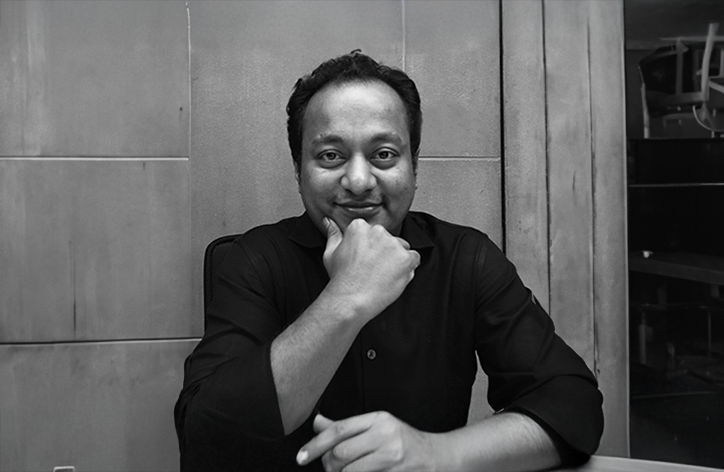
Vikesh Chheda, Director at JCA Architects
According to Vikesh, right now, screens are largely treated as decorative add-ons, placed at entrances, looping visuals, and displaying generic images. “That’s not value creation,” he points out. “If I’m just showing visuals, I can do that without investing in technology,” he says pointing to the need to create meaningful digital interfaces where content, technology and hardware come together seamlessly to deliver a better customer experience and is well integrated with the store space.
Content without context is just noise
Further reiterating the importance of content, Deodutta says, “Everyone agrees content is important, but good content alone doesn’t automatically translate into value. If the retailer doesn’t have a strong fashion point of view, what exactly will they show?”

Deodutta Mulye, Director at JCA Architects
This is visible in MBOs (Multi-Brand Outlets), which are largely value-driven rather than fashion-led. Their merchandise is assembled from multiple manufacturers, and content is often borrowed, such as standard fashion shoots, generic videos, or supplier-led imagery. What is the result? Screens exist, but they don’t influence buying behaviour, Vikesh and Deodutta point out.
“In fashion retail, value flows from innovation,” Vikesh explains. “If you’re not innovating in your product, the screen has nothing meaningful to amplify.”
Fashion sells when there’s something new to say
According to Vikesh, brands like Snitch demonstrate where screens work. With frequent merchandise refresh cycles and strong visual storytelling, digital screens become performance tools rather than passive displays.
“They change their collections every 7–10 days,” he notes. “So the screen actually supports discovery. It tempts you to try something new.”
According to Deodutta, what mannequins once did, screens can now do at scale. They show movement, styling possibilities, and context. Earlier, whatever was on the mannequin sold best, now screens can do that job.
Cost is a constraint, but knowledge is the bigger one
Cost does limit adoption, pushing screens to facades or entry zones. But even when budgets allow deeper integration, the question is ‘what business problem does this solve?’
“What retailers really need,” Vikesh emphasises, “is evidence, data, case studies. Clear examples of how screens placed at specific points actually improved sales.”
Without that clarity, technology becomes a risk rather than an investment, he feels, and adds this is where many conversations tend to break down. “Retailers are not looking for big promises, they want to understand the technology – how it works, where it fits, and how it can be optimised inside their stores, as he points out.”
The way forward
Screens without a strategy will remain under-utilised assets. As Deodutta sums it up simply, “Retailers don’t need more screens. They need better guidance on what those screens can actually do for them.”
At the end of the day, technology by itself doesn’t change anything. It’s the clarity of intent behind it that makes the difference.
The conversation with Vikesh and Deodutta essentially highlights the need to bridge the gap between buyers and sellers of digital display solutions for best outcomes.
The upcoming DDX Asia 2026 to be held in Mumbai on February 12th and 13th at the Bombay Exhibition Centre is a step in the above direction, being an expo that brings together technology providers, solution architects, media owners, and buyers from the digital display industry, enabling conversations around real-world applications, deployment challenges and evolving display requirements.
Look up https://ddxasia.events/ for more details.







Comments