
SUNROOOF: Capturing the magic of natural light indoors
By Himanshi Jain | December 18, 2025
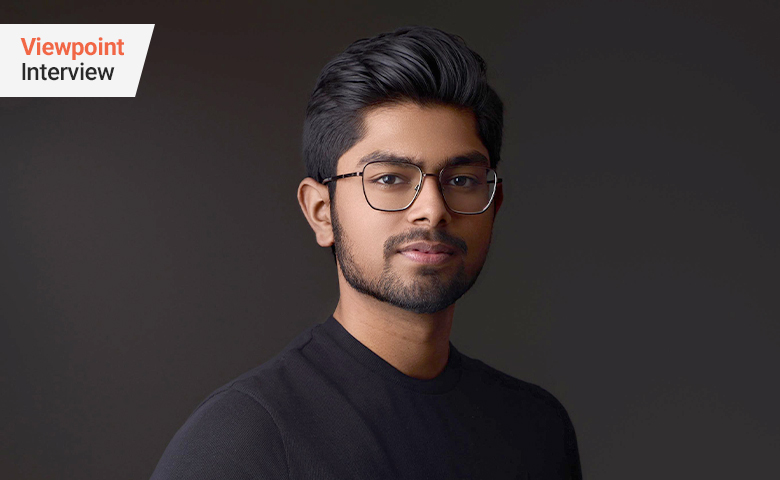
In an exclusive conversation, Ishat Jain, Co-Founder of SUNROOOF, tells Retail4Growth how lighting is evolving from a functional element into a strategic tool influencing retail behaviour and perception.

Have you ever stepped out of a store, looked at what you just bought, and thought, “This isn’t the same colour?” Inside, it felt right. Outside, under the real sun, it felt different.
Retail spaces today are devoid of daylight, weather cues, and the natural progression of time; morning, afternoon, and evening often look indistinguishable under artificial lighting. Yet human behaviour tells a different story. We are inherently responsive to the sky, to sunlight, and to shifts in brightness and warmth. These elements quietly influence our mood, energy levels, and even our purchasing decisions.
Now imagine a retail space that feels like a calm winter morning or a basement that mirrors the openness of a sunlit courtyard at noon. This is the gap SUNROOOF steps into, where retail, weather, and the natural environment finally align. Positioned as the “world’s first lighting innovation” SUNROOOF recreates the experience of natural sunlight indoors.
In an exclusive conversation with Retail4Growth, Ishat Jain, Co-Founder of SUNROOOF, shared how one of retail’s most overlooked elements, lighting, has the power to fundamentally reshape in-store experiences.
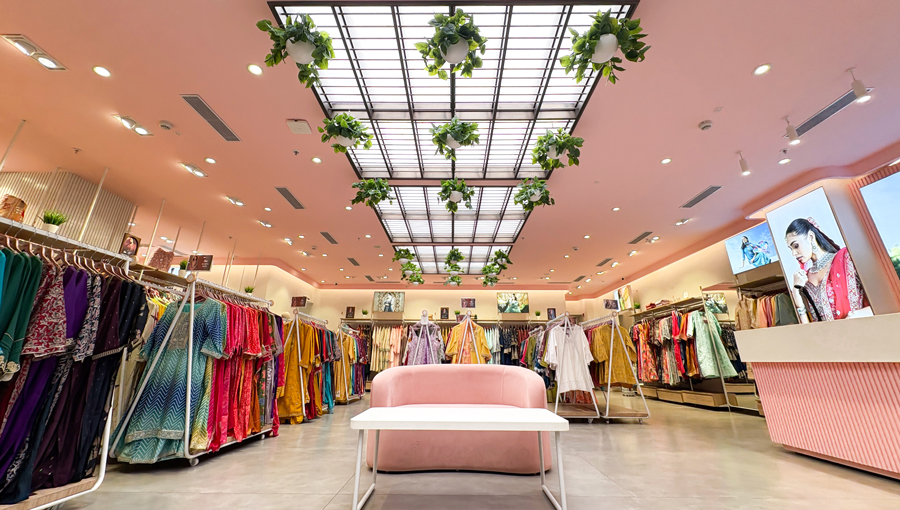
Lighting is quietly rewriting the rules of retail design
Lighting has always been treated as a functional afterthought, something to be installed once the real design work is done. But that mindset is changing now.
As Ishat Jain puts it simply, “You can have the best furniture, the most expensive materials, and the most beautiful interiors, but if your lighting is wrong, everything collapses.”
Modern consumers spend most of their lives indoors, often under artificial light that is harsh, static, and disconnected from natural rhythms. Retail spaces, especially those inside malls or basements, are among the worst affected.
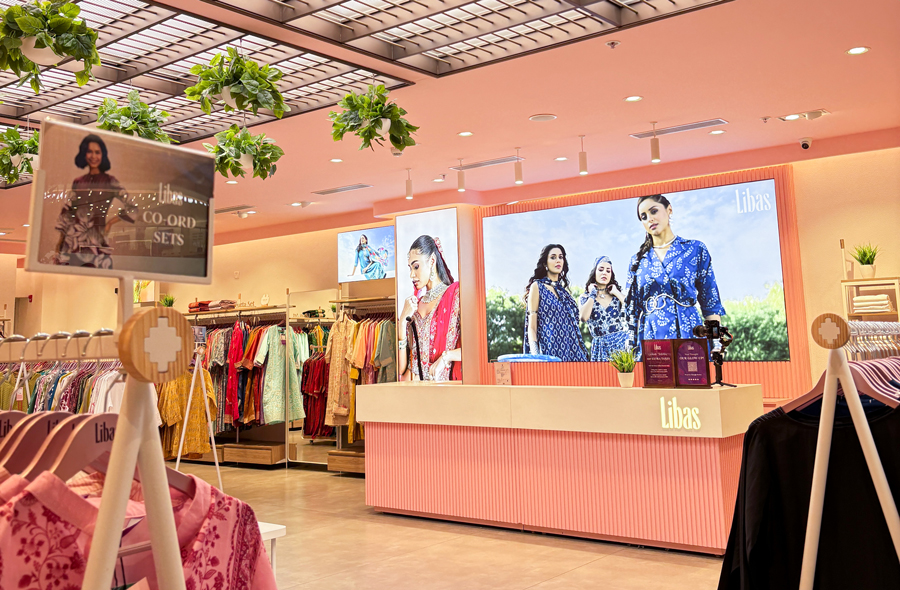
The problem with conventional retail lighting
Most retail spaces rely on spotlights and panel lights. The result is uneven illumination, strong shadows, and distorted colours. Customers instinctively step closer to garments, turn them sideways, or walk out of stores only to realise the colour they saw inside looks different outdoors.
“Retail lighting is not the same as home lighting,” Ishat explains. “The way a customer interacts with a space is completely different. You can’t use the same logic for both.”
Light, mood and human biology
What’s often overlooked is the biological impact of light. Exposure to natural daylight triggers the release of serotonin, a chemical responsible for mood regulation and emotional well-being. This is why people feel lighter, calmer, and more positive on pleasant sunny days.
“Lighting is chemical,” shares Ishat. “The moment good light hits your body, serotonin kicks in. Your mood changes within seconds.”
In retail, this translated to something very powerful. People feel more relaxed, more open, and more willing to engage in stores. Not necessarily to buy immediately, but to stay longer. And time spent is the first step toward conversion.
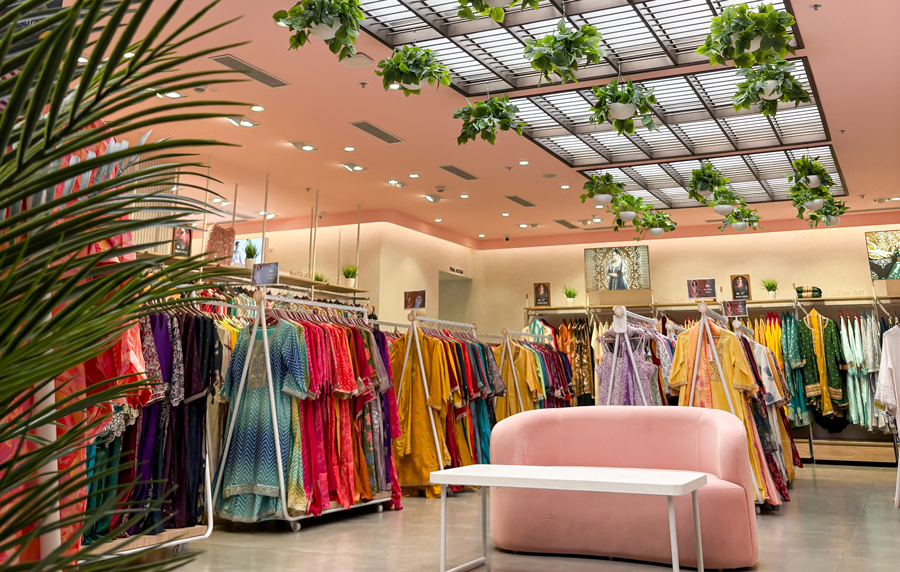
Why basements and windowless stores are being rethought
Traditionally, basement retail spaces have been considered a compromise, with cheaper rent but lower footfall due to lack of natural light. However, lighting innovation is challenging this assumption.
“People avoid basements because there’s no sunlight,” Ishat says. “But if you can recreate the feeling of daylight, suddenly that space becomes usable and valuable.”
For brands, this opens up flexibility. Instead of fighting for expensive ground-floor locations, retailers can rethink how lighting enables experience even in constrained architectural settings.
Longevity, sustainability and smart design
Another important conversation around lighting today is sustainability, not just in energy consumption, but in lifespan and adaptability.
Modern lighting systems are being designed for long operational life, reducing the need for frequent replacements. “If something lasts 14–15 years and only needs minor upgrades later, that’s a very different sustainability story,” Ishat points out.
The bigger shift
The lighting industry is standing at a transition point. As Ishat sums up, “Ten years from now, people will say there was a time when indoor lighting was flat and artificial, and then it changed.”
For retailers, the message is becoming hard to ignore. Lighting is no longer just about making products visible. It’s about making people feel comfortable, confident, and at ease in a space. In today’s retail landscape, that emotional connection, quietly shaped by light, is what truly drives success.






Comments