
"Today, brands demand stores that can be moved, reused, and rebuilt"
By Retail4Growth Bureau | February 23, 2026
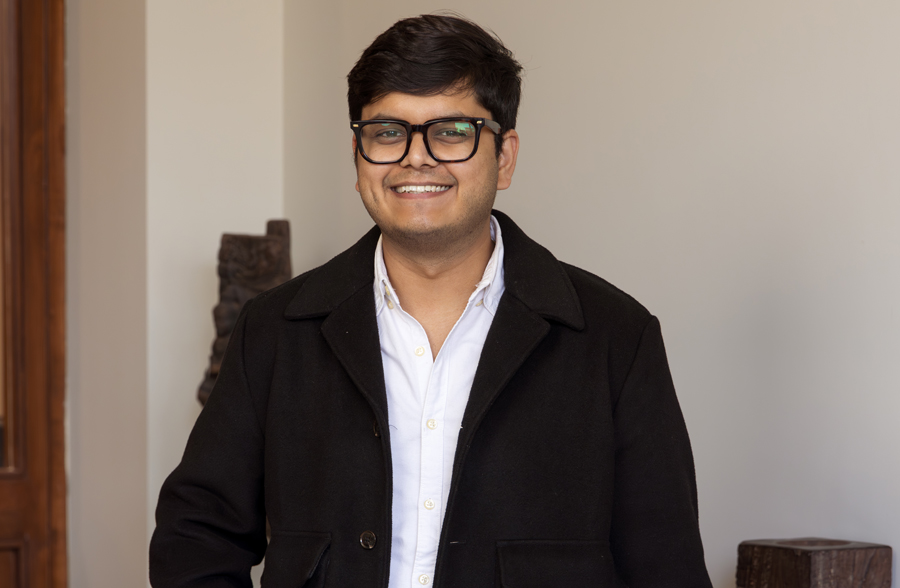
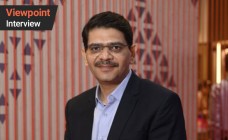
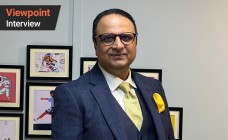
In an exclusive conversation with Retail4Growth, Prakhar Rastogi and Adit Gupta, Co-Founders & Principal Architects of PAV Design Lab, share how experience, modularity and sustainability are redefining the future of retail design.
Experience at retail today is all about creating the right brand narrative and connecting with the audience. Along with crafting immersive experiences and integrating smart technology, decoding the customer behaviour is vital too. With this being the strategic approach to retail design, PAV Design Lab – an architecture and design studio with offices in Noida & Jaipur has crafted retail identities for noted projects including Nodes of Destiny in Delhi, Kapkids in Elante, Chandigarh and Panchkula, Kapsons in Yamunanagar, and other stores across different cities.
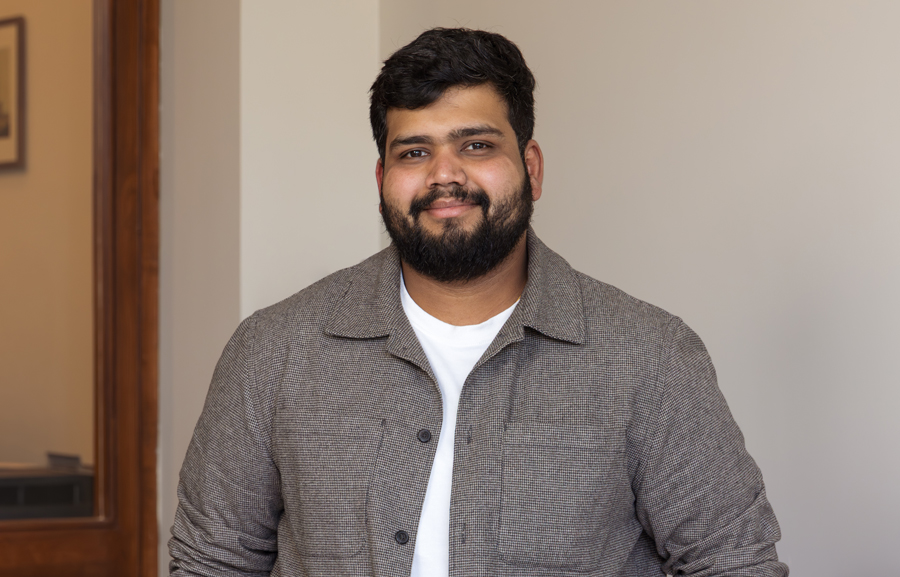
In a candid conversation with Prakhar Rastogi and Adit Gupta, Co-Founders & Principal Architects of PAV Design Lab, we explored emerging trends in store experiences, their approach to technology integration, modular innovation, sustainability, and the evolving future of retail design.
All about experience
According to Prakhar and Adit, one of the most noticeable changes in today’s retail landscape is the focus on experience. Customers do not just want to “buy”; they want to feel, explore, and engage. This is why experience centres are becoming more relevant than traditional stores.
They point out how some global brands focus heavily on large-format experience stores. These spaces allow customers to interact with products rather than simply view them behind counters. The Indian market, too, is gradually moving in that direction.
Even in fashion retail, brands like Zara are reducing dependency on heavy staffing at billing counters by introducing self-checkout systems. While some customers are still adapting to these changes, the shift signals a clear direction towards technology-led convenience.
“Technology will happen. Maybe not instantly, but it’s inevitable,” Adit emphasises. “The key is to introduce it in a way that doesn’t intimidate the customer.”
The rise of modular and flexible stores
Driven by the need for flexibility and cost-efficiency, the demand for modular stores is rising in retail. “Big brands don’t want permanent, heavy structures anymore. They want designs that can be moved, reused, and rebuilt,” mentions Prakhar. “Retail brands prefer flexible formats that can be adapted across locations. They want their stores to be easy to relocate in case they face any challenges in the location they have opened.”
Adit explains how modular planning helps brands save time during store launches and renovations. Instead of building everything from scratch, teams now prepare elements in advance and install them quickly on site. “If I have to make 10 trial rooms, it usually takes 10–15 days. But with modular systems, we can complete even 15 trial rooms in just two days.”
Ease on visual merchandising
“A store design should be so strong that it doesn’t need heavy decoration every festival," Prakhar explains. While brands invest significantly in visual merchandising (VM) during festive seasons like Diwali or Christmas, Prakhar and Adit believe that a well-planned store can be inherently flexible and adaptive.
“Luxury brands and Indian jewellery brands approach festive campaigns very strategically,” explains Prakhar. “Some maintain timeless store identities and integrate subtle festive cues instead of complete overhauls.”
A practical approach to sustainability
PAV Design Lab believe that sustainability should be deeply operational. As Prakhar explains, “One example is air-conditioning optimisation. If a store technically requires two tonnes of cooling, it doesn’t need to operate at full load at all times. By integrating fans and planning airflow intelligently, energy consumption can be reduced significantly.”
Adit further adds, “Lighting is another major factor. Lower lighting power density (LPD) directly impacts electricity bills. Over time, these operational savings become substantial.”
Both of them also highlighted the aspect of logistics. Instead of relying heavily on carton packaging, Brands are shifting to reusable plastic crates for inventory movement. For businesses spending crores annually on cartons, this dramatically cuts waste and recurring costs.
Retail design is evolving rapidly, and adaptability is essential. While the PAV team consists largely of young architects, execution decisions are backed by technical and engineering insights. Looking ahead, they see experiential retail, modular scalability, and sustainable operations dominating the next five to ten years.




Comments