
How experiential retail is driving the growth of lab-grown diamonds in India
By Himanshi Jain | May 28, 2026
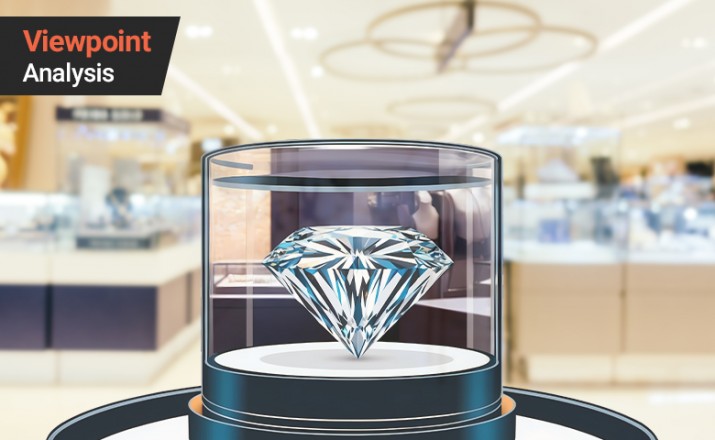
India is one of the most promising markets for lab-grown diamonds in the world. Retail4Growth takes a deeper look at how this digital-first category is growing through a strategic omnichannel play, where experiential physical retail is leading the way.
Jewellery retail in India has always thrived on familiarity. The same stores, the same families, the same rituals. For a long time, it meant a once-in-a-lifetime occasion-led purchase that also doubled as investment. And it demanded a time-tested retail experience that has been proven over generations.
However, the advent of lab-grown diamonds has created an alternate dimension in how fine jewellery is retailed and consumed. Most lab-grown diamond brands in India entered as digital-first disruptors – built on Instagram discovery, younger audiences, modern aesthetics, and the promise of offering diamonds at comparatively lower price points. Resonating well with younger customers, the category allowed them to purchase jewellery to celebrate everyday occasions, whether the first salary or the 16th birthday of a young girl. What’s more, they were soon comfortable with online browsing and purchases too. In the last few years, the category has witnessed great acceptance and burgeoning growth.
According to a study by Fortune Business Insights, the global lab-grown diamond market was valued at nearly USD 29.46 billion in 2025 and is projected to grow at a CAGR of over 13% through 2034. India is also emerging as one of the biggest manufacturing and export hubs for the category.
Interestingly, lab-grown diamonds brands understood that online retail alone wouldn’t be enough, as jewellery remains a highly emotional purchase, symbolic, high-value, and deeply trust-driven. Hence, physical stores soon opened and became a vital part of the omnichannel play for lab-grown diamonds. Today, most brands share that a customer journey begins online, where discovery and design browsing happen, and then moves into a store for the touch, feel, and assurance that precedes the final purchase. Physical retail still contributes to a majority of the revenue for most brands.
Why physical presence became non-negotiable
Unlike legacy jewellery categories, the relevantly new lab-grown diamond category requires explanation. Customers want to understand how the diamond is made, whether it is “real,” how it compares with mined diamonds, and whether it carries long-term value. A product page or FAQ section can only go so far. That is why physical retail experience led by in-store education became central to the category’s evolution.
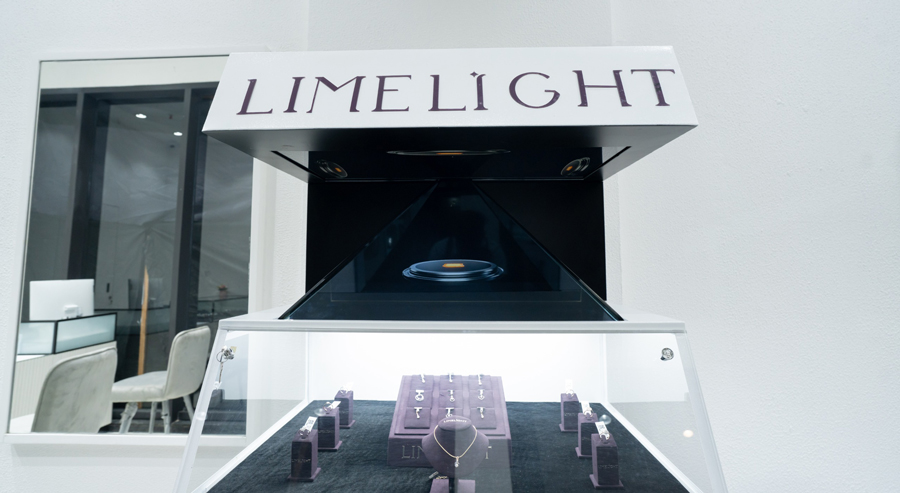
At Limelight Lab-Grown Diamonds, education initially became one of the brand’s biggest differentiators in offline retail. The company introduced digital hologram installations across stores that explained the complete journey of a lab-grown diamond, from formation to certification, helping customers better understand the category in an accessible and engaging format. “Education remains at the core,” says Karamjyot Singh Chawla, Director of Limelight Lab Grown Diamonds, “but today the conversation is increasingly shifting towards aspiration, design, and lifestyle.”
Aukera, a premium new-age Jewellery brand launched in 2023, echoes a similar philosophy. “Every store is designed to enable informed, self-driven decision-making, not just a conversion,” says Lisa Mukhedkar, Founder and CEO of Aukera Grown Diamond Jewellery. Aukera believes education is essential in enabling customers to make “a no-compromise choice.” Through trained experts, immersive experiences, and dedicated information spaces, customers in Aukera stores are guided through concepts like cut, clarity, colour, and the differences between lab-grown and mined diamonds.
Aukera’s aggressive offline expansion also shows how important physical retail is to the brand. The brand, which launched its first store in Bengaluru in 2023, has already expanded to 25 stores across India by early 2026.
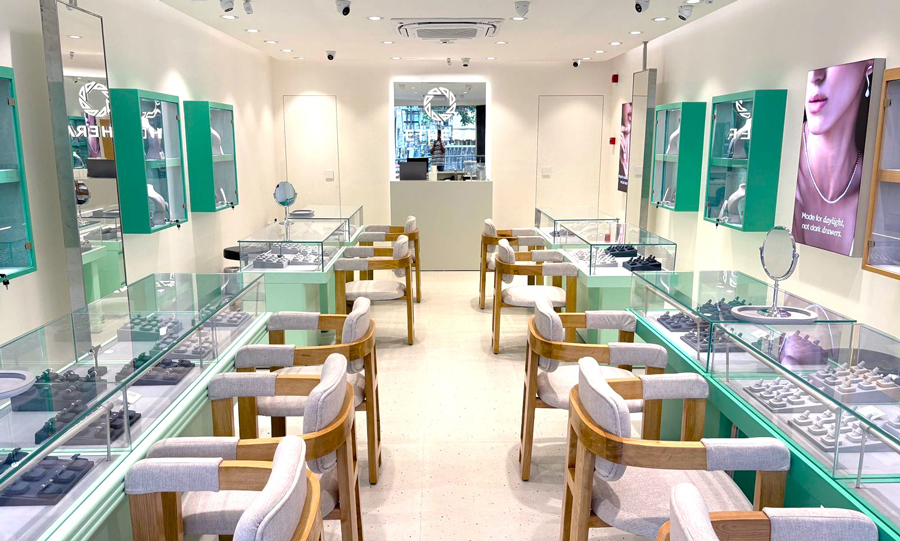
Along with education, validation was important at retail too. Ethera, a Bengaluru-based lab-grown diamond brand founded in 2024, has observed that the physical store ultimately becomes a space for “trial and validation.” Nitesh Jain, Co-Founder of Ethera, shares that while discovery largely happens online, trust is still built offline — especially in a category where consumers are spending anywhere between ₹40,000 and ₹70,000 on a purchase. “When customers come to the store, they want to touch, feel, try the jewellery, and validate the brand for themselves,” he says. “That physical presence gives reassurance because they know where to come back if needed.”
The new store behaviour
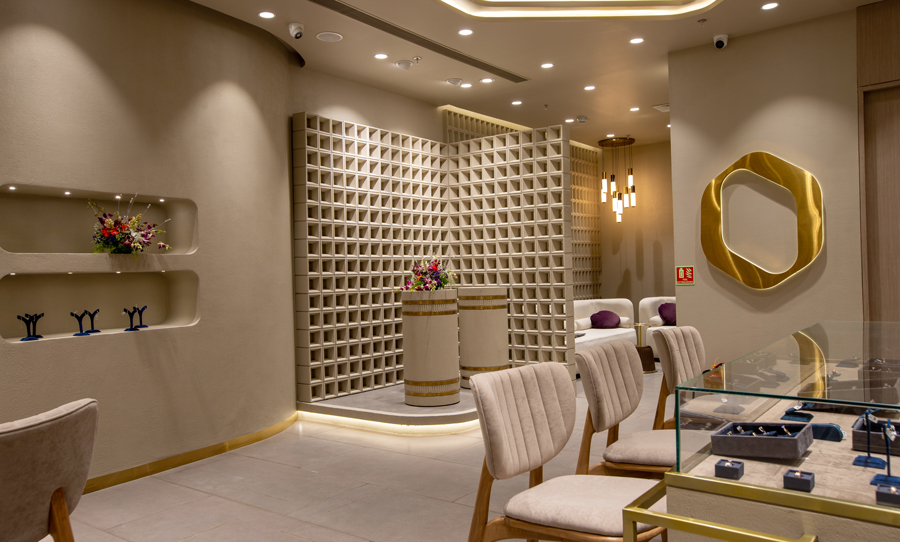
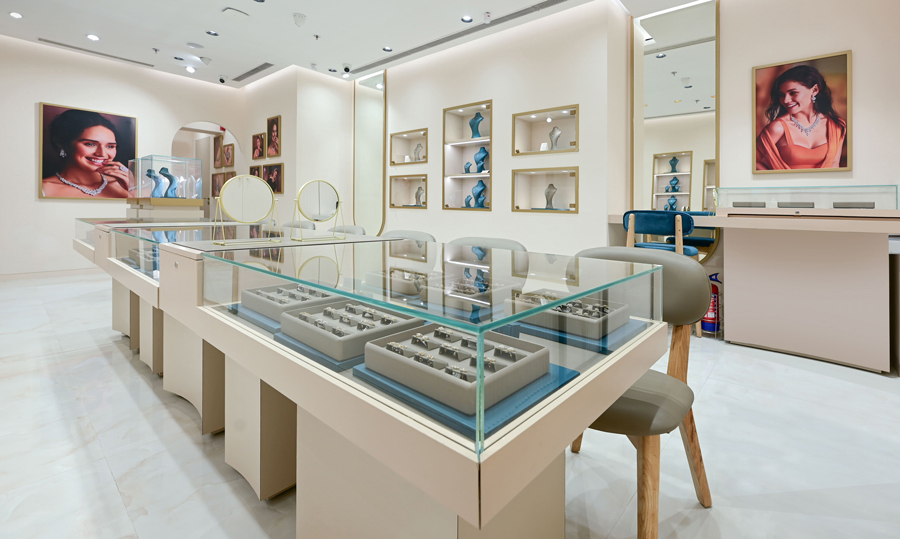
The modern lab-grown diamond store looks dramatically different from a traditional jewellery showroom. Open displays replace intimidating counters. Conversational seating replaces formal desk-style selling. Transparent pricing replaces negotiation-heavy interactions. The retail language itself feels more contemporary, approachable, and experience-led.
At Akoirah, stores are intentionally designed to feel like “contemporary luxury lounges. Luxury today is not about intimidation,” says Namita Kothari, Founder of Akoirah by Augmont. “It is about inclusivity and indulgence without pressure.” The brand combines soft lighting, open displays, and conversational seating to create an environment where customers feel comfortable exploring products at their own pace. Namita shares that transparency in offers and pricing let customers to see value clearly, not feel like they are negotiating it.
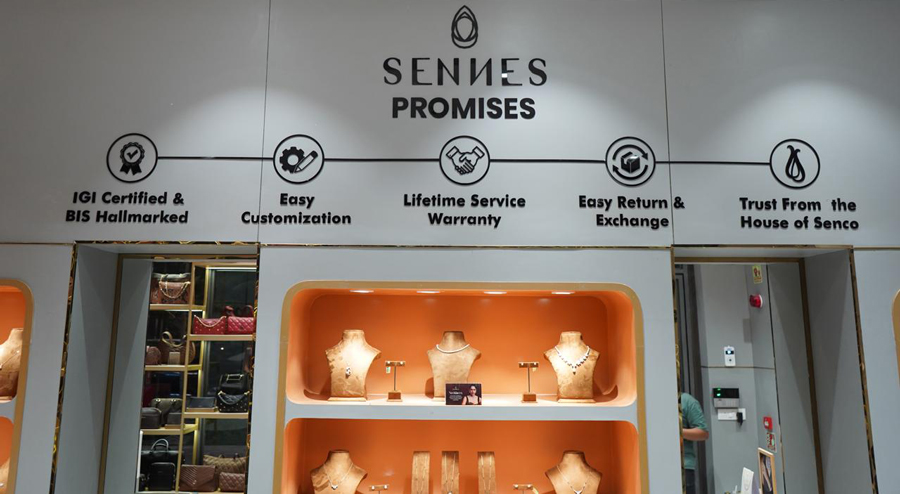
Countering this, there are brands like Sennes, that have deliberately avoided excessive visual drama. “We focus on emotional comfort,” says Suvankar Sen, MD & CEO of Senco Gold & Diamonds. “The store environment is calm, warm, and unintimidating. Jewellery purchases, especially in a new category, require confidence. Our design removes pressure, allowing customers to slow down, ask questions, and make informed decisions.”
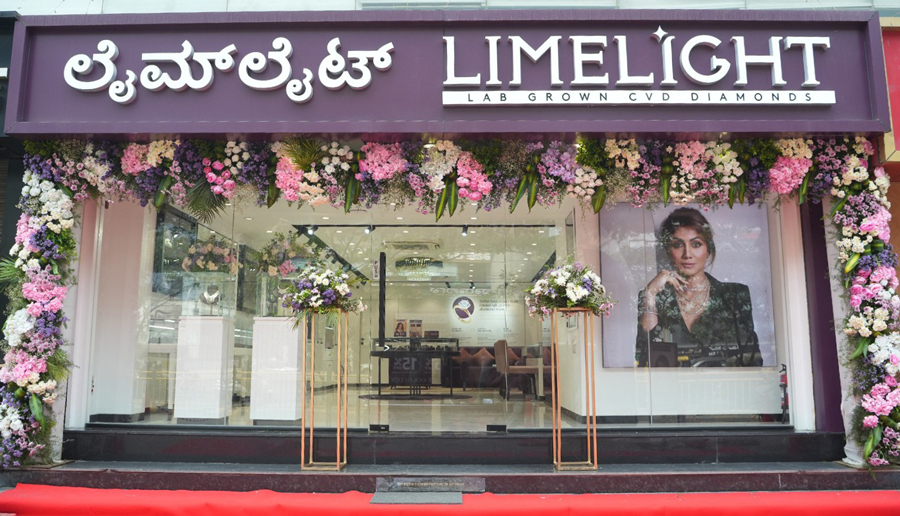
Limelight Lab Grown Diamonds has similarly focused on building stores that feel “modern, elegant, but approachable,” especially for first-time diamond buyers. The brand says consistency across stores, from merchandising and lighting to customer interaction, has become critical as it rapidly scales across cities.
Standing out with experience
As the lab-grown market becomes increasingly crowded, store experience is emerging as the biggest competitive advantage to strike a chord with the customers.
“What truly differentiates Aukera is that the store is built as a space of choice, not persuasion,” says Lisa. “While many stores focus on display and selling, Aukera is designed to give customers the freedom to explore a wide spectrum of designs, understand the product deeply, and find meaning in their purchase.”
Visual merchandising, too, is becoming more intentional. At Aukera, stores are designed to showcase a wide yet curated range of designs, allowing customers to intuitively navigate different styles, preferences, and occasions. Highlight zones, such as collection walls, bring focus to innovation and signature pieces, while clean layouts ensure the product remains the hero.
In Akoirah stores, the visual merchandising strategy revolves around storytelling through categories. Instead of clustering products purely by price, it groups collections by occasions, everyday elegance, wedding statements, workwear sophistication, and self-love purchases. This helps customers emotionally navigate the space.
Best of man & machine
Retail experience in lab-grown diamonds is increasingly adopting smart in-store technology as an enabler but supported with well-versed staff to bring a personalised experience and confidence in decision-making.
For Ethera, the company is exploring AI-led recommendation systems, digitally assisted customisation journeys, and more personalised shopping interfaces that allow consumers to discover and design jewellery more intuitively. “The future of jewellery shopping will become far more personal,” says Nitesh. “Consumers increasingly want experiences that feel curated specifically for them.”
At Sennes, technology plays a supporting role. Suvankar explains, “Digital tools help customers view certifications, compare designs, and understand diamond characteristics with transparency.” But ultimately, he believes the emotional aspect of jewellery buying must remain human-led. He says, “Technology clarifies decisions; people guide emotions. Maintaining that balance is essential to preserving trust and intimacy in the buying experience.”
Technology has also become central to Limelight Lab Grown Diamonds’ rapid expansion strategy. The brand has integrated digital catalogues, AI-led staff assessment modules, customer interaction analytics, and ERP-backed inventory systems to create consistency across its growing store network. As Karamjyot explains, “These systems help us better understand regional customer preferences while maintaining operational efficiency across formats and geographies.”
From “Smart Buy” to “Symbolic Buy”
Perhaps the biggest evolution happening inside these stores is the brand narrative around lab-grown diamonds themselves. Initially, the category was sold through rational messaging – affordability, sustainability, innovation, and smart value. But the offline experience is slowly transforming that perception into something more emotional and aspirational, that is also leading to more indulgent and larger store sizes.
“One of the biggest myths is that lab-grown diamonds are only a rational decision,” says Namita from Akoirah. “In-store, we reposition them as diamonds that reflect modern values, conscious, independent, and forward-thinking. We encourage customers to celebrate personal milestones: first salary purchases, self-gifting, promotions, and new beginnings. We have also introduced customisation consultations where customers co-create pieces for proposals, anniversaries, and weddings. When someone designs their own ring or mangalsutra, the emotional equity automatically deepens.”
At Sennes, every purchase is intentionally treated as a memory. “From private seating to unhurried consultations, the experience is designed to feel personal and considered. Details matter in how the jewellery is presented, how the story is shared, and how the purchase is concluded. These cues reinforce the significance of the occasion and leave a lasting emotional impression.”
Outlook
India’s fine jewellery industry is evolving, where lab-grown diamonds are increasingly reshaping consumer buying patterns and market dynamics. Driven by changing preferences, rising awareness, and growing accessibility, lab-grown diamond brands are rapidly expanding their physical footprint across the country. Aukera, which currently operates 25 stores, has aggressive pan-India expansion plans in the pipeline. Limelight Lab Grown Diamonds, already present across 70+ stores, is targeting 150+ stores by March 2027. Ethera, at 9 stores, is taking a more measured approach, with plans to add 3 to 4 exclusive outlets in the coming months.
“Our long-term vision at Akoirah is to make lab-grown diamonds mainstream, not niche,” says Namita. “And offline retail plays a pivotal role in that transition.”
For Sennes, Suvankar shares, “The goal is not to scale rapidly, but long-term credibility. Every new store is an opportunity to deepen understanding of the category and build enduring customer relationships.” Sennes is approaching expansion selectively, focusing on markets where awareness around lab-grown diamonds is steadily growing, and consumers are increasingly open to modern jewellery formats.
Lab-grown diamonds may have entered India through screens, but it will be an omnichannel play where experiential physical retail will lead the way.




Comments