
Mapping D2C brands’ offline journey
By Chanda Kumar | February 09, 2026
From successes to hard-earned lessons, Retail4Growth examines the gap between aspiration and execution as Indian D2C brands scale their physical retail presence.
Digital-native brands may be born online, but many realise that the next chapter of scale, trust, and deeper consumer connection is written through offline presence. The last couple of years have witnessed many from the D2C tribe descending on the physical retail landscape.
According to a recent CBRE report, ‘India’s D2C Revolution: The New Retail Order’, D2C brands leased nearly 18% of retail space between January and June 2025, with over 60% absorbed by D2C brands in fashion and apparel, followed by homeware and furnishing categories. The report shows that the industry has witnessed great offline success stories among the D2C brands, such as Lenskart (2000+ stores), Nykaa (245+ stores) and Bluestone (270+ stores), particularly in categories that boost conversion through physical presence.
However, this great retail phenomenon comes with its hurdles. Unlike creating a highly predictable, controlled online experience, D2C brands often face challenges when bringing their brand ethos & its curated experience into physical retail for the target audience. From exclusive interactions with digital-native brands and the retail design fraternity, Retail4Growth sums up the gaps between aspirations and execution.
Understanding Physical Retail
A common challenge for online brands entering physical retail is understanding the core tenets of what makes a store successful. While the basics are known—investment in design, thoughtful visual merchandising, good lighting, clear communication, and an overall customer experience—these elements are often under-prioritized. Pressures around cost, speed of rollout, or rapid expansion can lead brands to focus on opening stores quickly, while the experiential layers that make retail engaging are missed.
“Whether it’s store setup timelines, store size, or expectations of return, this lack of understanding of physical retail is where things often go wrong. Physical retail is more like a mutual fund. You invest consistently and assess performance over time, not overnight,” shares Sanjay Agarwal, Co-Founder & MD, FRDC (Future Research Design Company), who believes in partnering with these brands for design that delivers business in the long run.
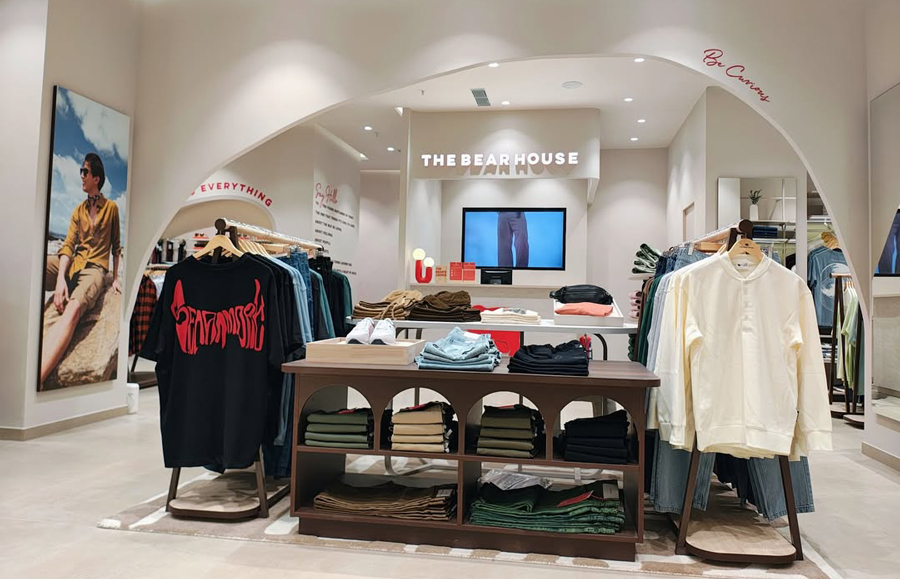
Sharing challenges unique to the offline retail space, Harsh Somaiya, Co-Founder, The Bear House – a popular men’s fashion brand, says, “Maintaining freshness in a physical store is a real challenge. Online, new collections reflect instantly with a catalogue update. Offline requires frequent merchandise reshuffles, clear visibility for new launches, and consistent visual merchandising, making it far more operationally complex.” The Bear House ventured into offline retail in March 2025 with its first store in Bangalore and has since expanded across Hyderabad, Pune, Chandigarh, Indore, Chennai and Delhi.
Experience & Faster Results
One advantage of digital-native brands is their openness to experimentation. They are open to freshness and new experiences, whether in store design, customer journeys, or new ways of influencing buying behaviour. For established online brands, it means the brand experience at retail is a priority, followed by sales.
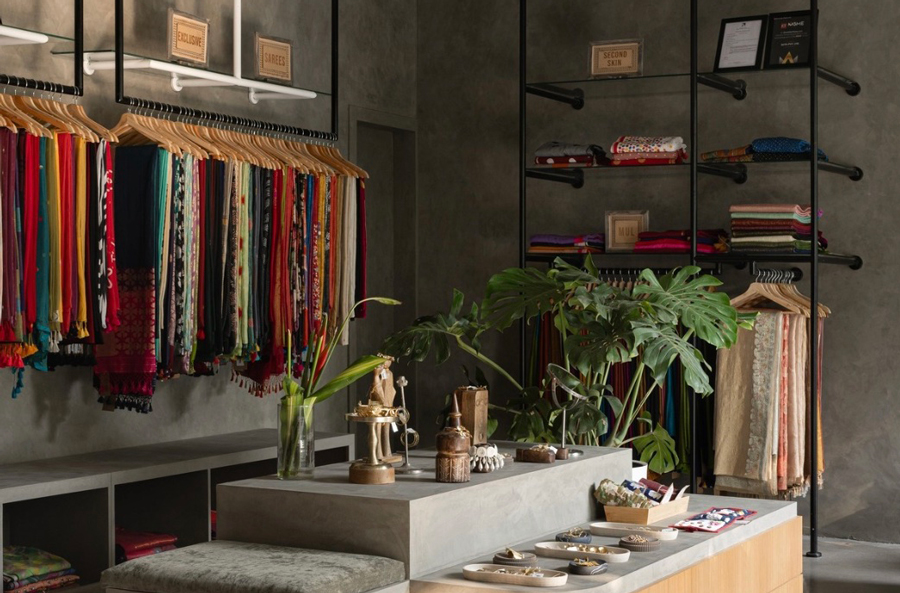
Suta, a digital-first saree and apparel brand, began its journey a decade ago, entered offline retail only in 2022 with a clear intent of wanting the store experience to create warmth, sense of calm, and feel like home. “When someone walks into a Suta store, the idea is not to overwhelm them or push sales, but to make them feel comfortable - so much so that they naturally spend time, browse slowly, and connect with the space. To create this feeling, we put a lot of thought into art and storytelling within the space,” shares Sujata Biswas, Co-Founder of Suta, which currently has 19 stores, that contribute to 35% of its revenues.
Inspiration Vs Reality
D2C brands indeed come with great scope to create immersive retail spaces that differentiate them from the bandwagon. But most times, designers come across clients’ requests of global concepts and grand Pinterest-inspired ideas that, at times, overlook the aspect of implementation, scalability, and being sustainable for the next 5 years.
An emerging retail project execution company pointed out, global store design inspirations, when not adapted thoughtfully to local contexts, can significantly inflate costs driven by customisation, premium materials, complex detailing, and higher long-term maintenance.
Retail designers also believe that brand & retail positioning should be consistent across the online and offline spaces.
“It’s important to translate the energy and philosophy of the brand expressed on Instagram and digital channels into a meaningful physical experience. This means creating a store environment and customer journey that is more than a one-time delight, and builds a reason for consumers to keep coming back,” explains Mithila Kumar, CEO of Restore Design, who also adds that it’s vital for these brands to adopt a retail identity that is modular and flexible to accommodate new categories. Also, designing transferable retail fixtures and fittings is a strategic choice brands should actively consider to protect the capex involved in store design.
Speaking on retail fixtures, Huzefa Merchant, Founder of INSYNC Shop Fittings, highlights the importance of having the right design agency and strong project management in place. “We recently came across a project for a D2C brand with just five stores where the proposed shopfitting design was highly customised, involving nearly five different materials and finishes. This significantly increased costs, especially since the rollout was limited in scale. Without clarity on how many stores are planned in the pipeline, procurement becomes challenging, and a small store footprint cannot absorb such high costs.”
In the design phase, another common challenge is ‘iterations’. Designers opine that D2C brands come from a strong digital background, where teams are used to iterating websites very quickly, and that mindset sometimes carries over into physical retail causing a lot of inconsistency and friction.
Location - a key call
From pop-ups to traditional stores, D2C brands are expanding via a mix of formats. According to the CBRE report, 46 per cent of D2C leasing went to high streets, 40 per cent to malls, and the remaining to standalone stores, reflecting the category’s growing focus on visibility, trial and experiential discovery.
However, D2C brands struggle in retail real estate in many ways: getting prominent high-street locations, mall approvals, and cost constraints, which make them choose very small or inconspicuous store sizes and locations. “For us, one early realisation was how hesitant leading malls were to offer us space. Among peers, there’s a clear sense that the equation changes dramatically for digital Indian brands once they cross a certain funding threshold—say, the 100 million mark,” says Satish Singh, CEO of Joker & Witch that recently launched its first offline store at Lulu Mall, Bengaluru, with plans to open in 40 locations across India, reaching 100+ stores within the next 3–5 years.
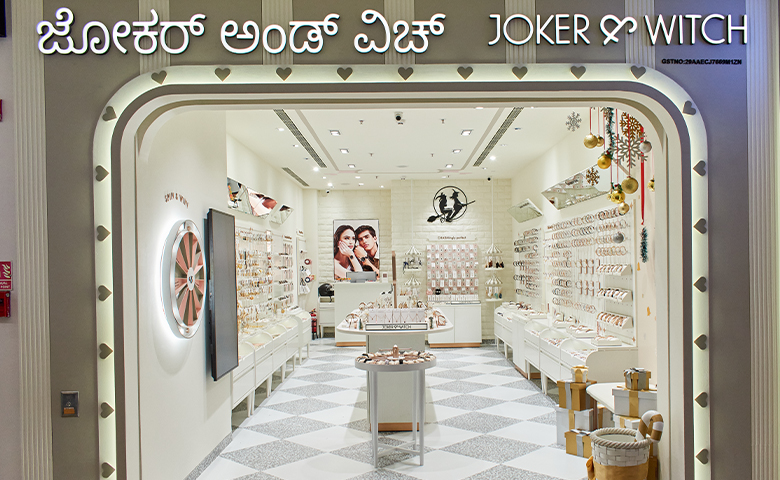
But as retail designers point out, when the right location is not supported by aspects such as a strong neighbourhood connect, clear branding, communication, and experience, even brands with multiple stores tend to struggle.
In offline retail, decisions typically need a three-to five-year horizon before taking a clear call. When brands open a few isolated locations without a broader network plan, returns may take time, and some choose to exit early. A clearer long-term approach improves both performance and sustainability.
Time & Cost Blindspot
Time and cost ultimately shape most retail identities, where constraints on both often dilute the original intent. Limited time for strategic planning, particularly among Indian D2C brands, frequently leads to misaligned decisions and budget overruns. The challenge deepens when brands approach designers just weeks before launch or sign sites before finalising the concept. With short rent-free periods and longer design cycles for new store concepts, early design planning is critical to keeping timelines and costs in check.
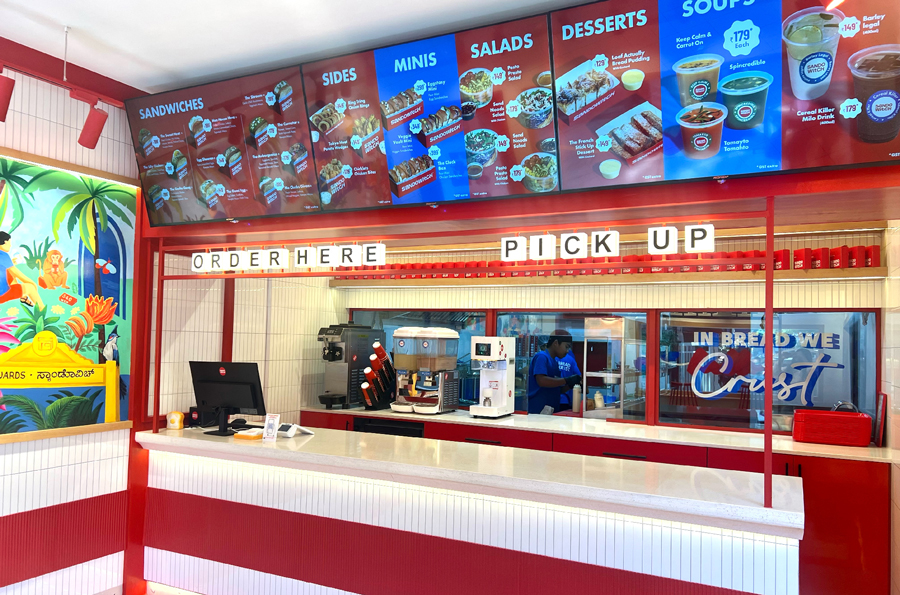
“There wasn’t a clear QSR brand that dominated sandwiches as a category, and that gap became the starting point for Sandowitch. The development and build phase demanded the most patience. Even though Sandowitch operates as a QSR, we were clear that we didn’t want the brand to feel rushed or transactional. We wanted it to be aspirational in its quality and experience,” says Vivek Prabhakar, Founder of Sandowitch, where the brand spent over six months developing the brand identity and kitchen workflows, before the first outlet opened in Bangalore recently. He adds that the brand believes that going national isn’t just about opening more stores, it’s about getting the fundamentals right first.
Yash Kotak, Co-founder & CMO, BOHECO - India’s first integrated cannabis wellness brand, agrees, “Our intention was not to expand our presence rapidly. Currently, we have 5 outlets, where the first was launched in 2021 and the second opened in 2023. So, it was important to wait for the proof of concept to succeed. Once we saw customers coming back, we opened 4 more stores.” BOHECO plans to open 10 additional outlets over the next 2 years.
Ideally, brands should start thinking about design at least six months before opening their first offline store. As the first store typically needs time for prototyping, sampling, and material finalisation. A new concept also requires about 3–4 months of design, followed by 2-3 months of construction. Once the concept is locked, rollout becomes far quicker as replication and adaptation across sites can run in parallel without the same lead times.
Maximising Digital Impact
As stores become more experience-led, digital layers are increasingly seen as enhancers rather than essentials. Digital displays and in-store technology are seeing increased adoption, especially large-format exterior screens where moving imagery helps make stores more inviting. However, their direct impact on walk-ins and conversions often remains unmeasured. According to retail project execution experts, digital signage is a high-cost line item, sometimes accounting for 10–12% of a store’s capex, and is often the first to be dropped after the initial few stores to control rollout costs. Beyond installation, operationalising the technology is equally complex: the effectiveness of these screens depends heavily on the right content and its regular management. Maintaining content quality, correct formats, resolutions, and consistent performance requires ongoing support, and without a dedicated technology partner, store teams often struggle to sustain the experience as originally envisioned.
But for now, DTC brands seem to be the new kids on the block, with both the intent and the capability to invest in offline retail. It remains to be seen if in the process they can also set new benchmarks in retail experience -- one that’s phygital in the true sense of the word.





Comments