
Phoenix Mall of Asia's formula for the new retail experience
By Chanda Kumar | May 20, 2026
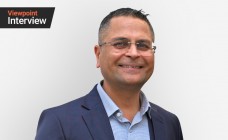
Speaking to Retail4Growth, Ritu Mehta, Centre Director – Phoenix Mall of Asia & Director Marketing (South), shares more on how the role of retail is shifting from purely transactional spaces to experience-led urban environments, and why the real competition for physical retail is people's time and attention.
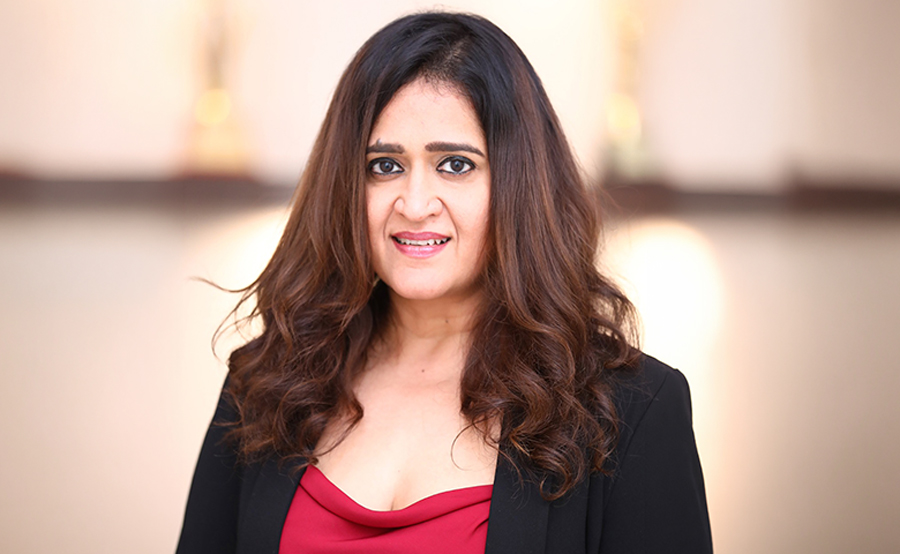
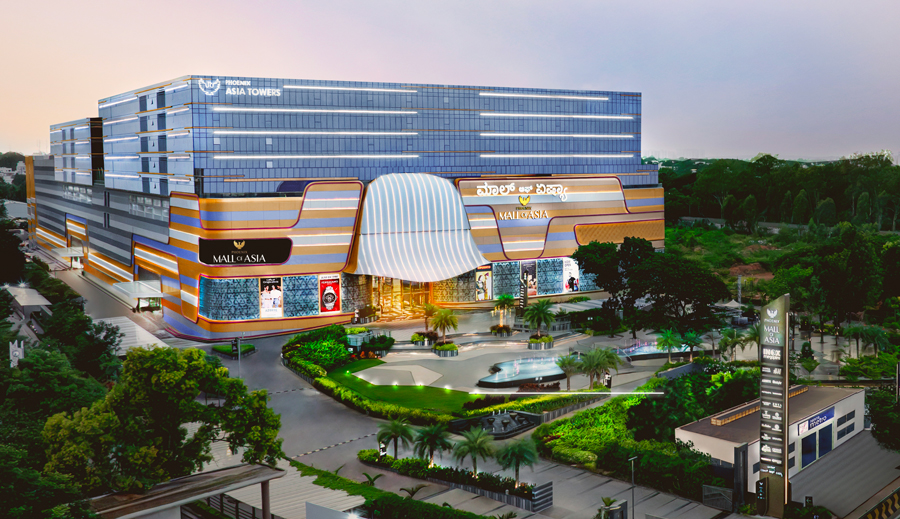
From being the largest retail destination in Bengaluru to becoming an active part of the city's social and cultural fabric, Phoenix Mall of Asia sits well with the evolving lifestyle of Bengaluru's mixed demography. Now a preferred destination to shop, dine, or attend an event, the mall is building a community space through its consistent offering of something new across weeks and seasons. Speaking to Retail4Growth, Ritu Mehta, Centre Director – Phoenix Mall of Asia & Director Marketing (South), shares more on how the mall balances being the go-to social space while driving retail sales, how the role of retail is shifting from purely transactional spaces to experience-led urban environments, and why the real competition for physical retail is people's time and attention.
Malls today aren't just competing with each other; they are competing with streaming, home delivery, people choosing to stay home. What does Phoenix Mall of Asia think about that?
Today, the real competition is for people’s time, attention and willingness to step out. Convenience has become deeply embedded in consumer behaviour, which means a mall has to offer something that cannot be replicated on a screen or delivered to the doorstep.
At Phoenix Mall of Asia, this is addressed through a combination of a strong, differentiated brand mix and a constantly evolving experiential layer. The presence of sought-after international and premium brands plays a critical role in drawing consumers into the physical environment, giving them access to products, formats and flagship experiences that are best discovered in person.
This is complemented by a curated calendar of experiences across fashion, dining, entertainment and large-scale public installations, which together create reasons to stay longer and engage more deeply with the space. A guest may arrive for a specific brand or occasion, but the environment encourages exploration and discovery.
The mall is designed as a social and cultural destination where retail, leisure and community intersect. What matters is that every visit feels relevant and engaging, giving people a compelling reason to choose the physical experience over staying in.
In terms of messaging, how does Phoenix Mall of Asia balance being a new kind of public and social space while still communicating its retail offering?
The two are closely connected. A strong social environment drives deeper retail discovery. When people spend quality time in a mall, they engage more openly with brands, dining, entertainment and new launches.
At Phoenix Mall of Asia, this is supported by a carefully curated brand mix that brings together sought-after international and premium brands across categories. This plays a critical role in shaping both footfall and engagement, as customers associate the destination with quality, relevance and choice.
There is also a strong sense of trust associated with the Phoenix name. Customers come in with an expectation of quality, consistency and assurance across the retail experience, which strengthens their willingness to explore and engage with brands.
Our messaging reflects this integration. We position the mall as a destination for world-class shopping, dining and entertainment, brought to life through stories around culture, design and community, with retail at the core of the experience.
How have brands inside the mall actually benefited from your experience-led approach?
Experience-led programming helps brands benefit from stronger footfall quality, longer customer presence and higher visibility in moments where the customer is already engaged.
When a mall creates large-format events, seasonal installations, dining moments, cultural celebrations or category-led activations, it gives brands a stronger context to participate in the customer journey. A fashion brand gains from a fashion-led calendar, a beauty brand from expert-led engagements, and F&B brands from dining becoming part of a larger leisure occasion.
At Phoenix Mall of Asia, this is further strengthened by a curated brand mix where several brands align their in-store experience with global benchmarks. This includes access to flagship formats, exclusive collections and price ranges that reflect the positioning of the destination. In many cases, collections and merchandising are updated in close alignment with global announcements, which keeps the retail offering current and relevant.
The difference, therefore, lies in both the environment and the offering. A store here becomes part of a larger discovery experience while also delivering a more elevated and up-to-date retail proposition. This can influence walk-ins, dwell time, brand recall and overall customer interaction, especially for brands that actively participate in the mall’s engagement calendar.
When it comes to dining, entertainment and events, how do you measure whether they've worked? What does success look like beyond attendance?
Attendance is one layer. We also look at the quality of engagement. Did people stay longer? Did the activation create conversations? Did it drive repeat visits? Did it support participating brands? Did it generate social sharing? Did it strengthen the perception of the destination?
For dining and entertainment, success is also measured by how strongly these experiences become part of a customer’s routine. At Phoenix Mall of Asia, the cuisine mix plays a significant role in this. The presence of diverse global cuisines in one destination allows visitors to experience multiple dining formats and flavours within a single visit, making it a place where people can “taste around the world” in one outing.
This drives both intent and repeat behaviour. The mall becomes a weekday meeting point, a family destination, a celebration venue and a weekend outing, extending well beyond a shopping trip.
For events, we look at participation, dwell time, customer feedback, brand involvement, digital traction and the ability to create a distinctive memory. The strongest experiences are the ones people carry with them after they leaveand return to experience again.
Are dwell time and engagement numbers becoming more meaningful to you than sales figures and how has that evolved over the years?
Sales remain important, but they are no longer the only measure of performance. Dwell time, engagement and repeat visitation are becoming increasingly important because they show the strength of the destination.
Earlier, retail performance was viewed more directly through transactions. Today, the customer journey is layered. A visitor may attend an event, dine with family, watch a movie, browse brands and return later to shop. Engagement often precedes conversion.
So, the measurement approach has evolved. We still value sales, but we also track how meaningfully customers interact with the mall. A destination that increases dwell time and creates repeat reasons to visit ultimately strengthens retail performance as well.
What parameters are you tracking today to demonstrate the success of experience-led interventions and how has that measurement thinking evolved from a few years ago?
We look at a combination of quantitative and qualitative indicators. These include footfall patterns, dwell time, participation in events, repeat visitation, category performance, campaign reach, social media engagement, brand participation, customer feedback and PR visibility.
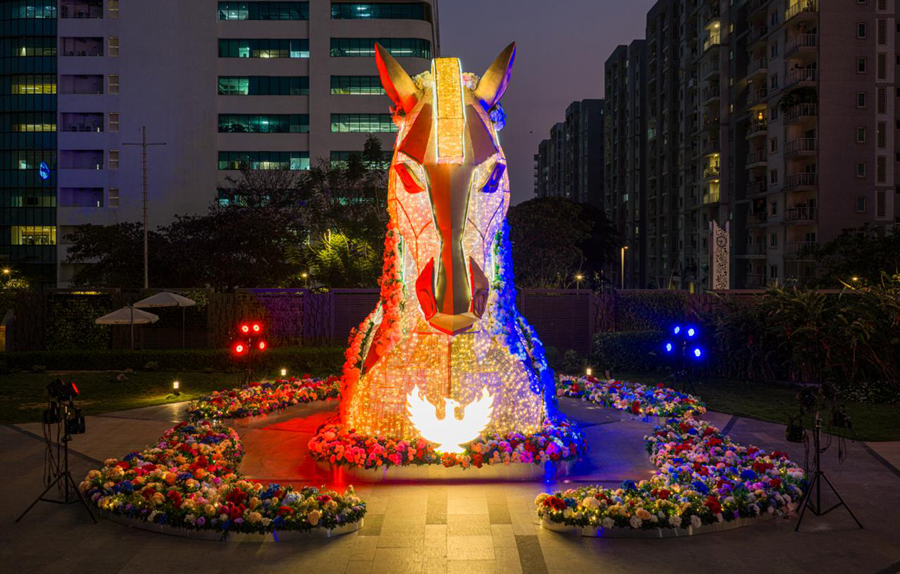
For large installations or events, we also evaluate how people interact with the space. Are they pausing, photographing, sharing, bringing families, returning with friends, or discovering new parts of the mall?
At Phoenix Mall of Asia, a key parameter is also how effectively each brand benefits from visibility within this ecosystem. Through integrated marketing initiatives across physical, digital and on-ground experiences, the focus is on ensuring that brands receive consistent, high-quality exposure and remain part of the larger conversation in the city.
Measurement has also evolved in how we track relevance and momentum. The intent is to stay current across weeks, seasons and cultural moments, with campaigns and experiences that drive ongoing engagement and shareability. Success is reflected in how consistently the destination remains visible, talked about and experienced across platforms.
A few years ago, success was often linked mainly to footfall and sales. Today, experience is treated as a long-term brand-building lever that creates affinity, memory, discovery and commercial value together.


Comments