
Ethera bets on design and omnichannel play to stand out
By Chanda Kumar | April 27, 2026
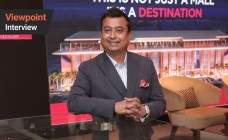
Speaking to Retail4Growth, Nitesh Jain, Co-Founder, Ethera talks about how the lab-grown diamond brand differentiates itself from its peers at retail, their in-store experience and their offline retail expansion strategy.
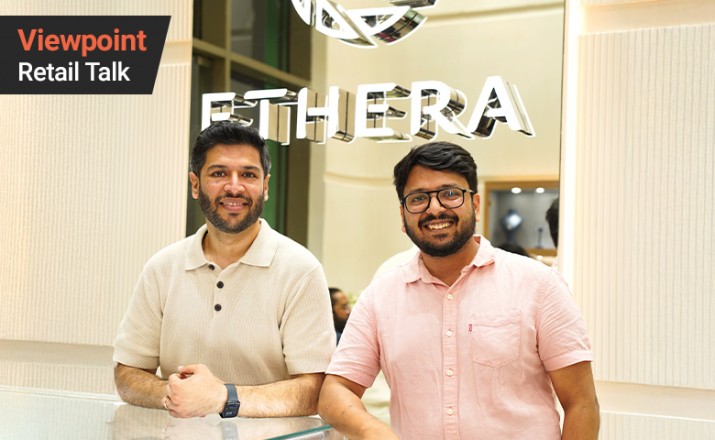
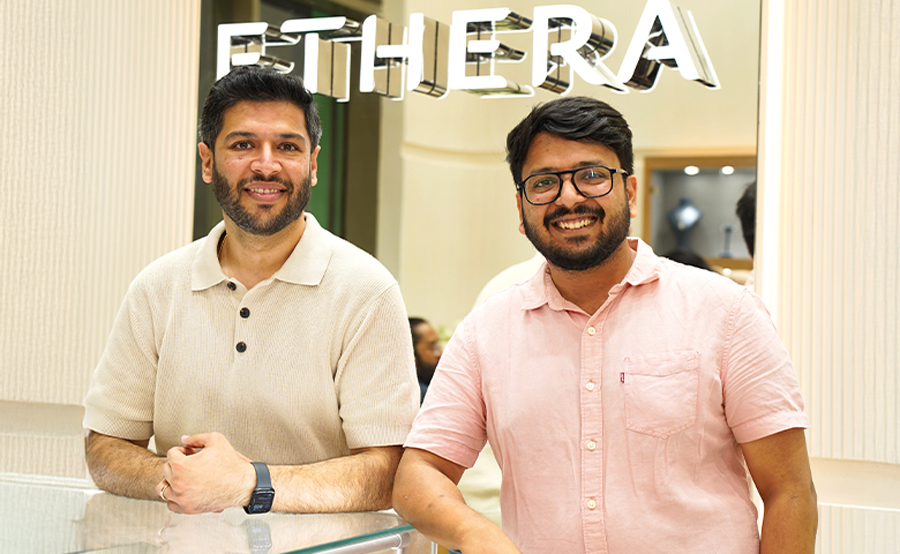
Derived from the word “Ethereal” – Ethera, a BlueStone-backed lab-grown diamond jewellery brand, is focused on everyday fine jewellery. Founded in 2024 by Sharad Arora and Nitesh Jain, the brand believes that diamonds are not just for special occasions, locked away as an investment, but to be celebrated every day and lived in.
In the rising momentum of the lab-grown diamond market in India, Ethera believes that its strength lies in design sensibilities and operational excellence, especially with its omnichannel strategy. The brand now operates nine retail stores across India, including four stores in Bengaluru, two stores in New Delhi and one each in Noida, Ghaziabad and Gurugram, alongside a strong and growing digital network serving customers across India.
Earlier this year, Ethera raised Rs 25 crore from BlueStone, which has doubled its investment in the company to support its next phase of growth and retail expansion. We spoke with Nitesh Jain, Co-Founder, Ethera, on how the brand differentiates itself from its peers at retail, their in-store experience and their offline retail expansion strategy. Having been introduced to lab-grown diamonds as a customer first while buying an anniversary gift, Nitesh soon understood that the differentiator in this category will essentially come down to who executes best, because the idea itself is fairly simple.
How do you position Ethera among the other players in the lab-grown diamond market?
We want to be a design-first, omnichannel brand that uses tech to stay ahead — specifically in design quality and in how seamlessly online and offline connect. Our target is the 25 to 34-year-old working woman in a metro city, for whom jewellery is a style statement, not an investment. The way we leverage technology to stay ahead of the curve on design and on that omnichannel experience is where we want to win.
For Ethera, can you describe the core customer personas and their behaviour when then walk into the store to explore lab-grown diamonds?
The young consumer is shifting from bridal jewellery to everyday jewellery that’s very trendy. The young consumer is not your typical person who goes to a high-end jewellery market, spends time across 6 different stores, evaluates, and then comes back. They have a very omnichannel journey, as they research and select online. Buying jewellery is essentially like a weekend plan for them. They've already selected 3 pieces online, they go to the store, and the purchase happens.
What's the online-offline revenue split, and why does offline still dominate?
As a ballpark figure, for us it's around 3–4% online sales. But online revenue might not be the right metric to look at in isolation, because so much of the journey happens online before a customer walks into the store. Most pieces that end up selling are in the ₹35,000–₹70,000 range. At that price point, Indian consumers are still not comfortable buying purely online, because the regulatory systems in India are not that strong.
In such a category, omnichannel is the only play. You have to influence and prepare the consumer online and then ask them to come to the store to make the purchase. When the customer comes to the store, it's all about the touch-and-feel of products and a validation that a physical store can't be removed overnight. Offline builds a sense of trust among customers, that’s very vital in jewellery.
What was your thought process for differentiating at the store level?
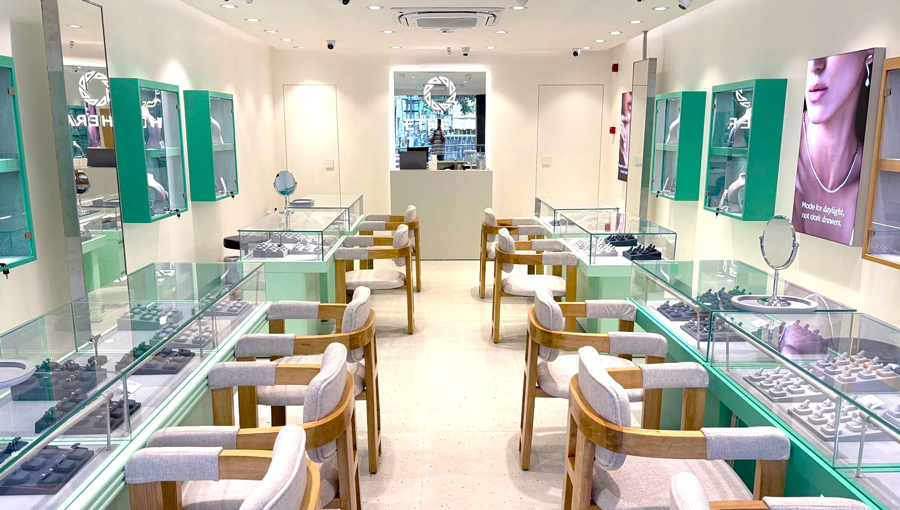
We were very clear about who our target consumer is and how they think about jewellery. Most of the decision-making happens online. When customers come into the store, they're really only looking for two things. First, they want to see if what they found online actually looks as good in real life. And second, they're trying to decide if they can trust the brand.
So we just focused on solving two things: trial and trust. We didn't go out of our way to do something radically different from a store experience standpoint, but ensured we have a very warm, relaxed atmosphere so the person is comfortable engaging with us. Our sales staff are not pushy. They welcome you warmly, make you feel comfortable, so you open up more and try things.
Do you see repeat purchases happening online after the first in-store visit?
Yes, both ways. We've seen customers interact with us online first, then visit the store, then go back and order online, where the store was more like a validation point. We've also seen people walk into the store, buy something smaller first to test the entire journey with us, and then buy much bigger things purely online. That's a good reason you'll find a lot of brands in our space opening physical stores. It's a mandatory trust touchpoint, at least in today's setup. Seven years from now, things might be different. India might become e-commerce first. But the trust deficit is still there.
How are you incorporating technology at various touchpoints to help customers explore and select products?
We have a lot of ideas in the pipeline and it does work for a set of customers. For instance, imagine an interface where you put in one image of something you like, or a mood board of ten things, and you get a suggestion. You can tweak it, talk to the bot. People like these things. If you're spending ₹50,000, you want to feel valued, you want to feel treated personally.
In general, the next 7 years of shopping will move from one-size-fits-all to very personal shopping. Everyone would want to feel that what they're getting was curated specifically for them. It will be interesting to build. It's just a matter of time.
Tell us about your expansion plans in offline retail and the new categories you are exploring?
We are focused on tapping into micro markets where our core customer persona — the 25 to 34-year-old working woman — is most present. Pune is our next store opening, and we want to double down on Gurugram and Delhi, where we see a lot of untapped potential. In Bengaluru, we haven't touched the North yet, and there's a significant opportunity there given the density of tech spaces and our target demographic. We currently have 9 stores, and plan to add another 3 to 4 exclsuive outlets in the coming months.
On new categories, the men's collection is something we are keenly exploring. It's a small part of our mix right now, but we see room to grow. We get a lot of requests for studs, where often customers want a single stud, and we end up breaking off a pair to meet that need. There's also been some demand for diamond necklaces, which is something we're keeping a close eye on.

Comments