
Turn design protection into business growth
By Chanda Kumar | June 24, 2026
Retail solution providers and manufacturers are maturing, scaling and even going public, where the importance of design registration and product exclusivity is vital. Retail4Growth delves on how design registration isn't just a defensive shield against litigation but a competitive asset today.
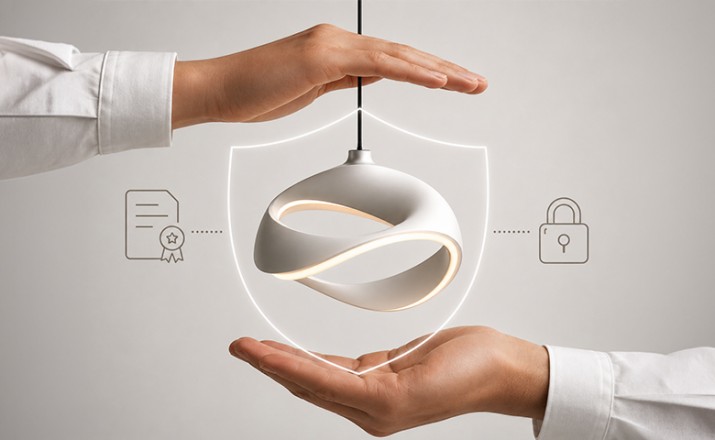

For years, India's retail solutions industry including shopfits, lighting, display systems, and other elements that build store environments, never delved much on the exclusivity of orginal design. The market was large enough, and demand vast enough, that everyone found room to work, originality took a backseat. Open replication was accepted and that’s just how business got done.
The momentum has changed today, with the industry maturing. Retail solution providers and manufacturers are consolidating, scaling and attracting capital, with a few already listed on the bourses. With this, the importance of design registration and product exclusivity is rising. A sense of sourness has come in situations including legal notices landing on desks challenging the rightful ownership of products and designs.
But the real story here isn't who's suing whom. It's that the industry has reached an inflection point, and how it responds will determine who thrives over the next decade.
Here's the opportunity hiding inside the disruption: design registration isn't a defensive shield against litigation but a competitive asset. A registered design signals R&D investment, manufacturing seriousness, and brand maturity to retailers. Companies that get ahead of this curve won't just avoid lawsuits; they'll differentiate themselves in a market that's about to start rewarding originality instead of punishing it.
Need of the hour
So what does getting ahead look like? Three things, urgently.
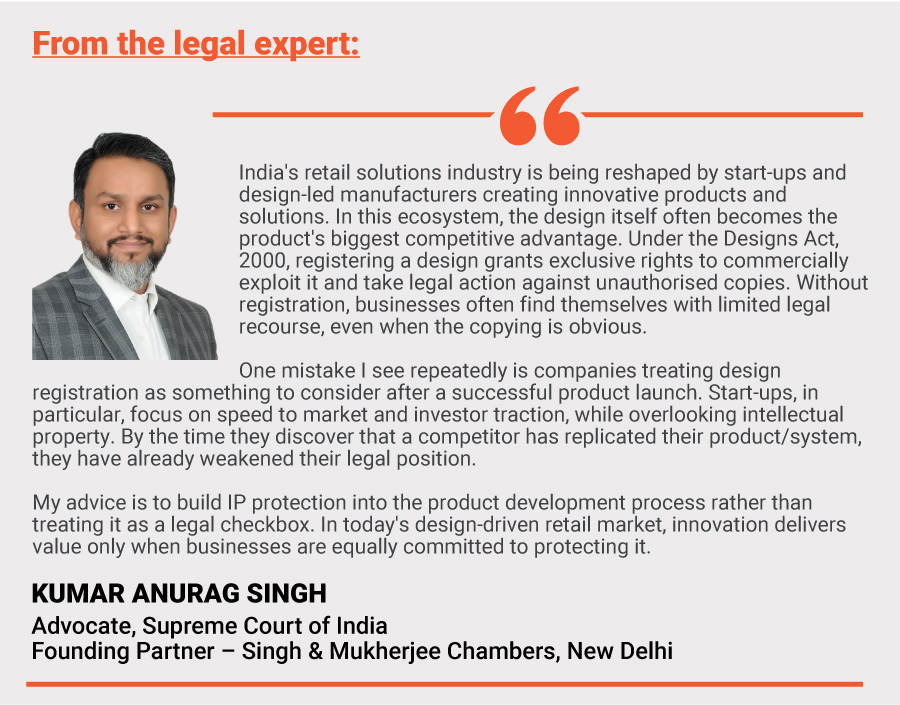
First, design and manufacturing firms need to treat design/IP registration as a line item in product development, not an afterthought bolted on after a dispute. The Designs Act, 2000 is the primary intellectual property law in India protecting the visual, aesthetic, and non-functional appearance of products. It grants creators exclusive rights to prevent unauthorized copying, thereby rewarding innovation and boosting the value of creative assets.
Second, the industry needs visible champions of original design validated by associations, awards, and certifications that make innovation a reputational asset, not just a legal one. Right now, copying carries no stigma. That has to change from within the fraternity, not just through courtrooms.
Lastly, there is a need to educate retailers and procurement teams. Too many buying decisions are still made on price alone, with little regard for whether a design was licensed or replicated. A "chalta hai" attitude among buyers quietly subsidises design infringement. Procurement teams that build originality checks into vendor evaluation will, over time, reshape the entire supplier base.
The lawsuits making headlines today are a symptom, not the disease. The real choice facing the industry is simple: build a culture where good design is valued and protected, or keep busy with legal proceedings while better-prepared competitors pull ahead.
The benefits of registering a design go well beyond avoiding a courtroom fight. It puts an end to replicas undercutting on price for a product they didn't develop. It strengthens a brand's hand in price negotiations, since retailers can no longer shop the same design around from other vendors. It becomes a genuine asset, valuable to draw new investment, international business and more. Design registration doesn’t just protect the company but also propels its growth.







Comments